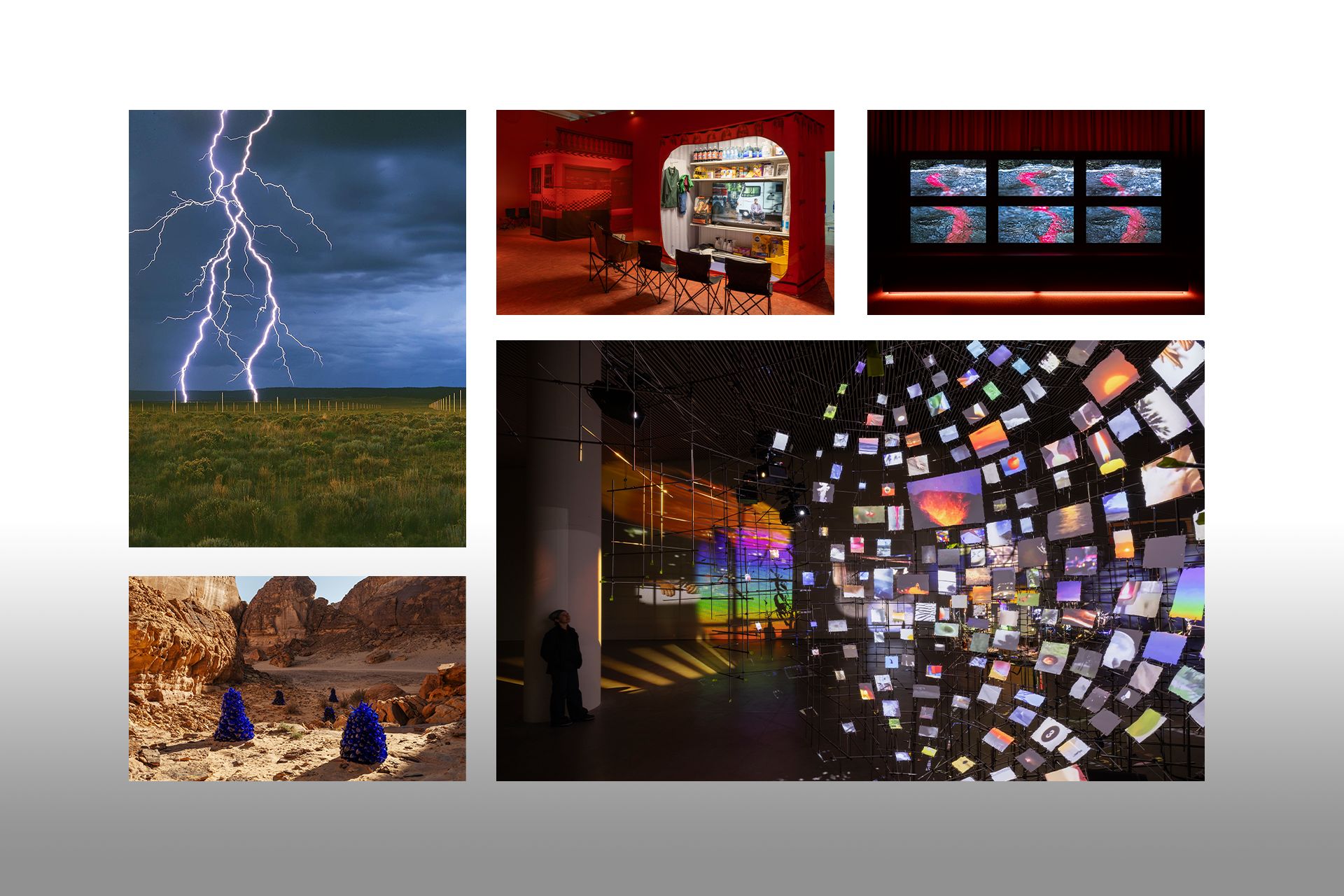
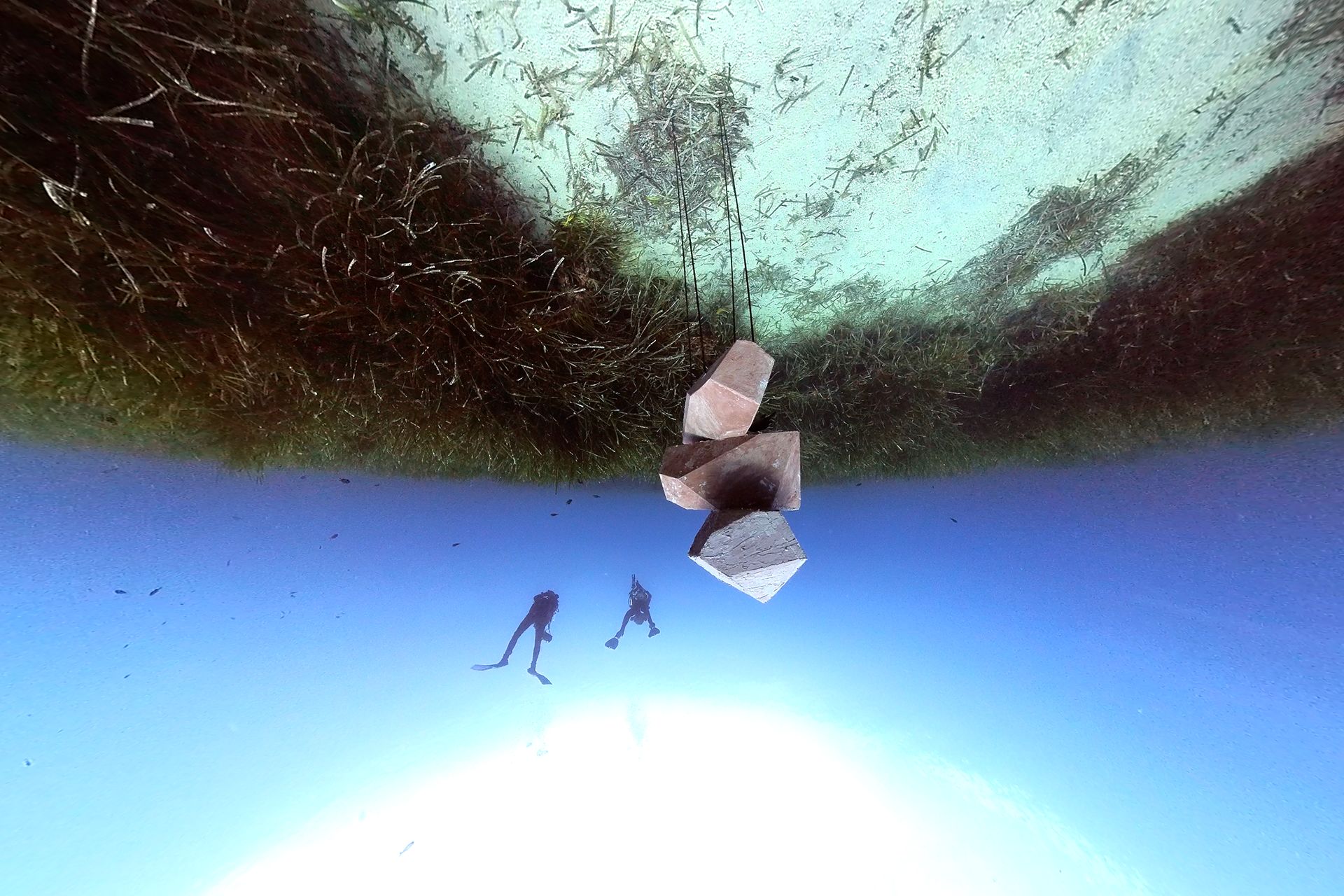
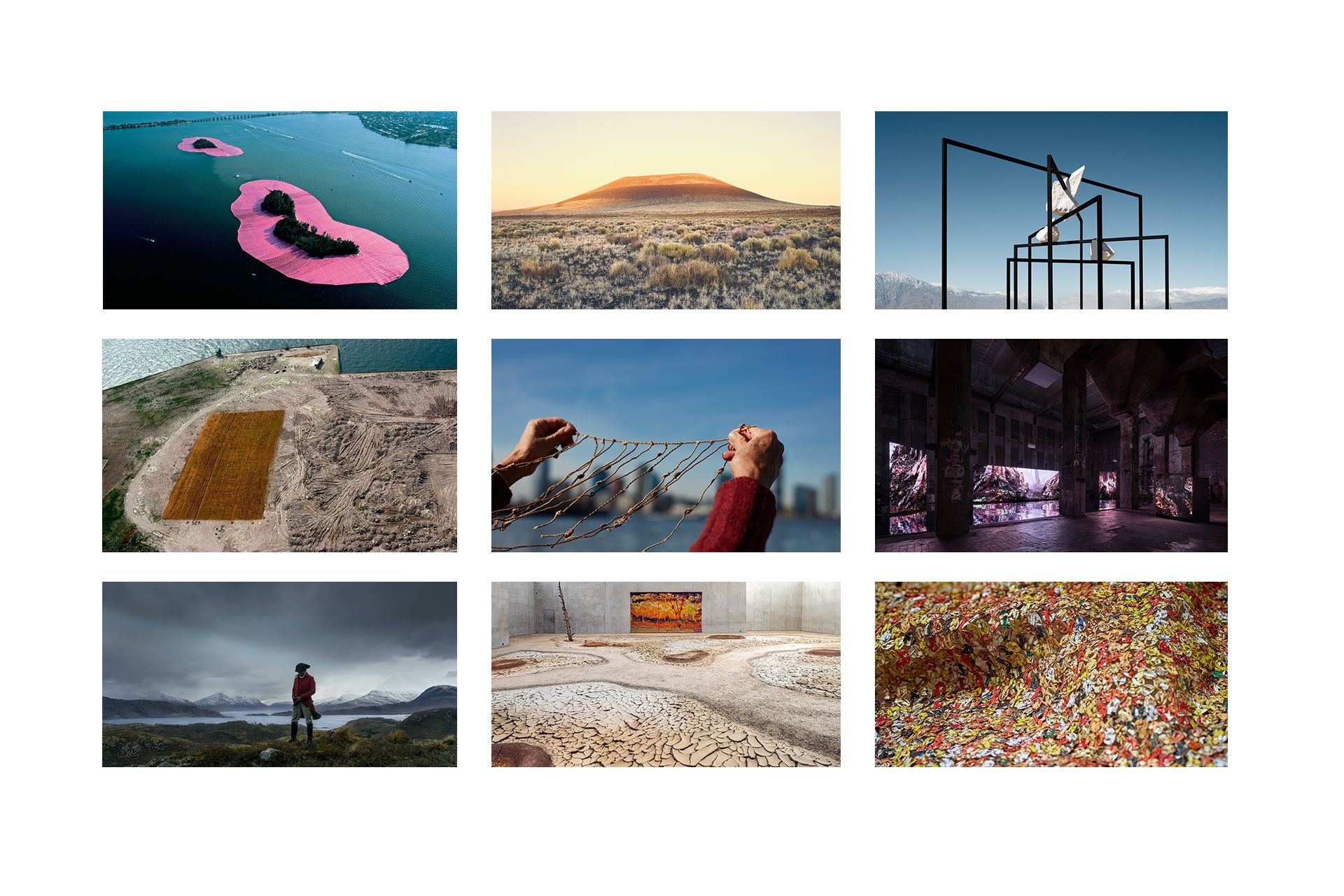
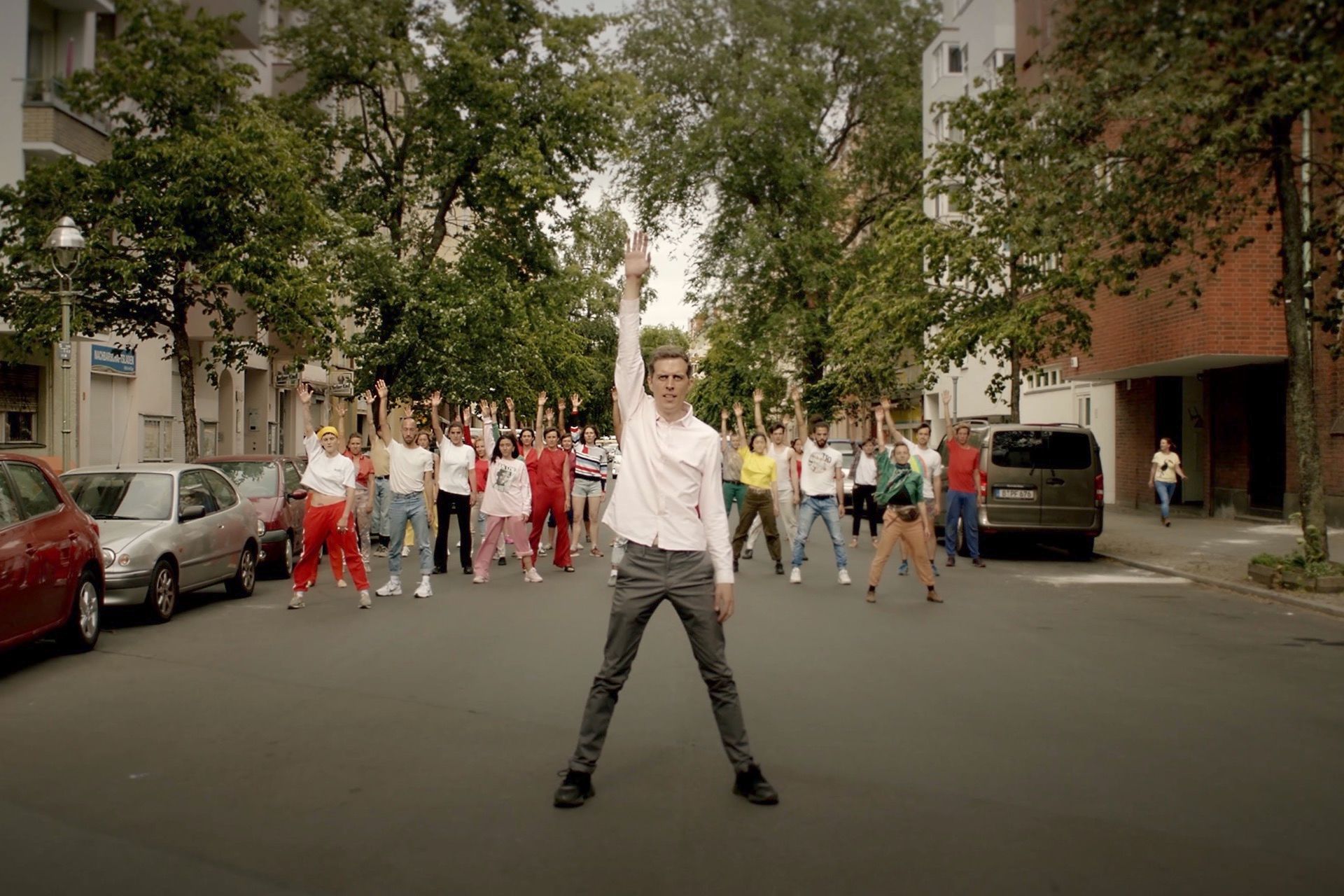
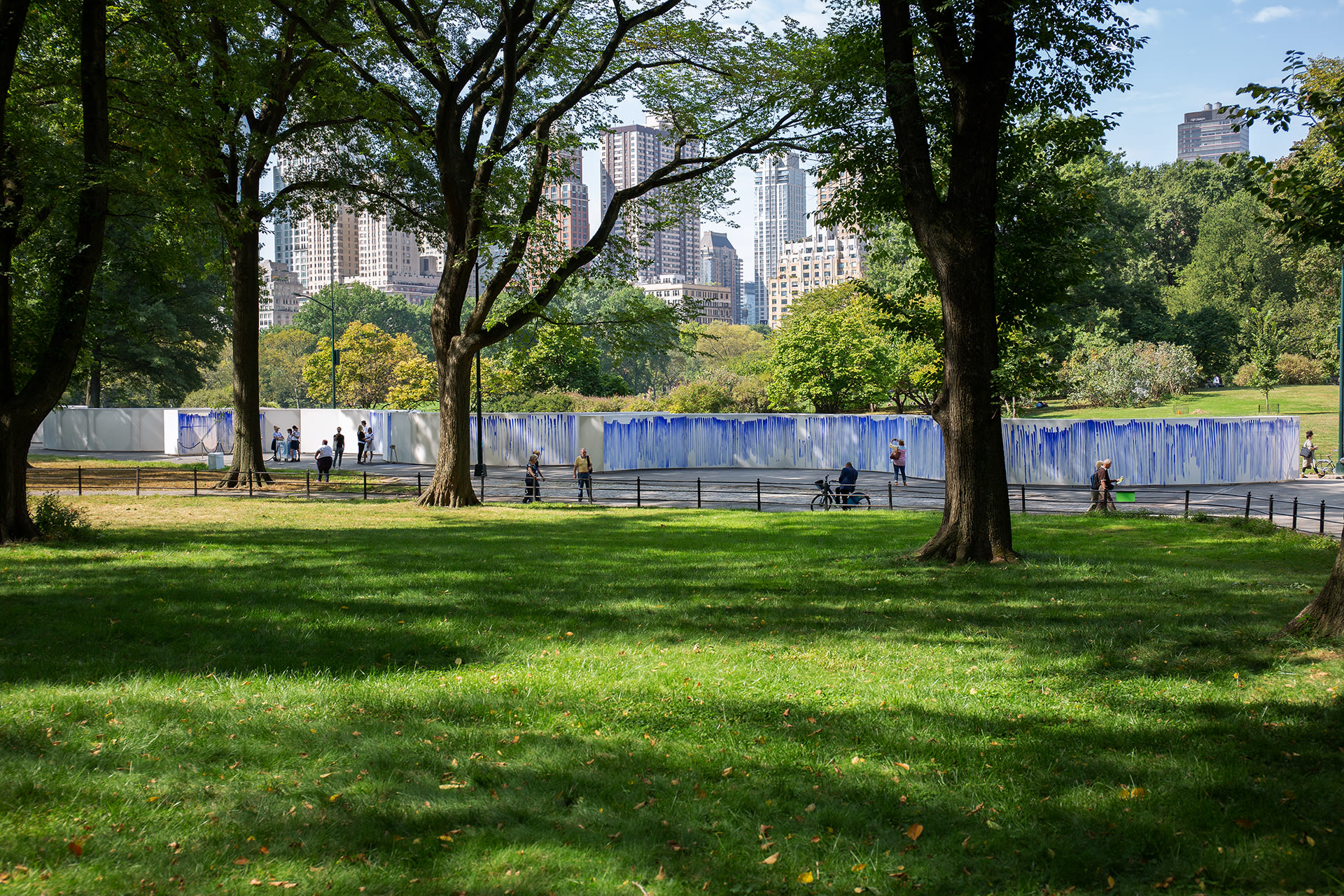
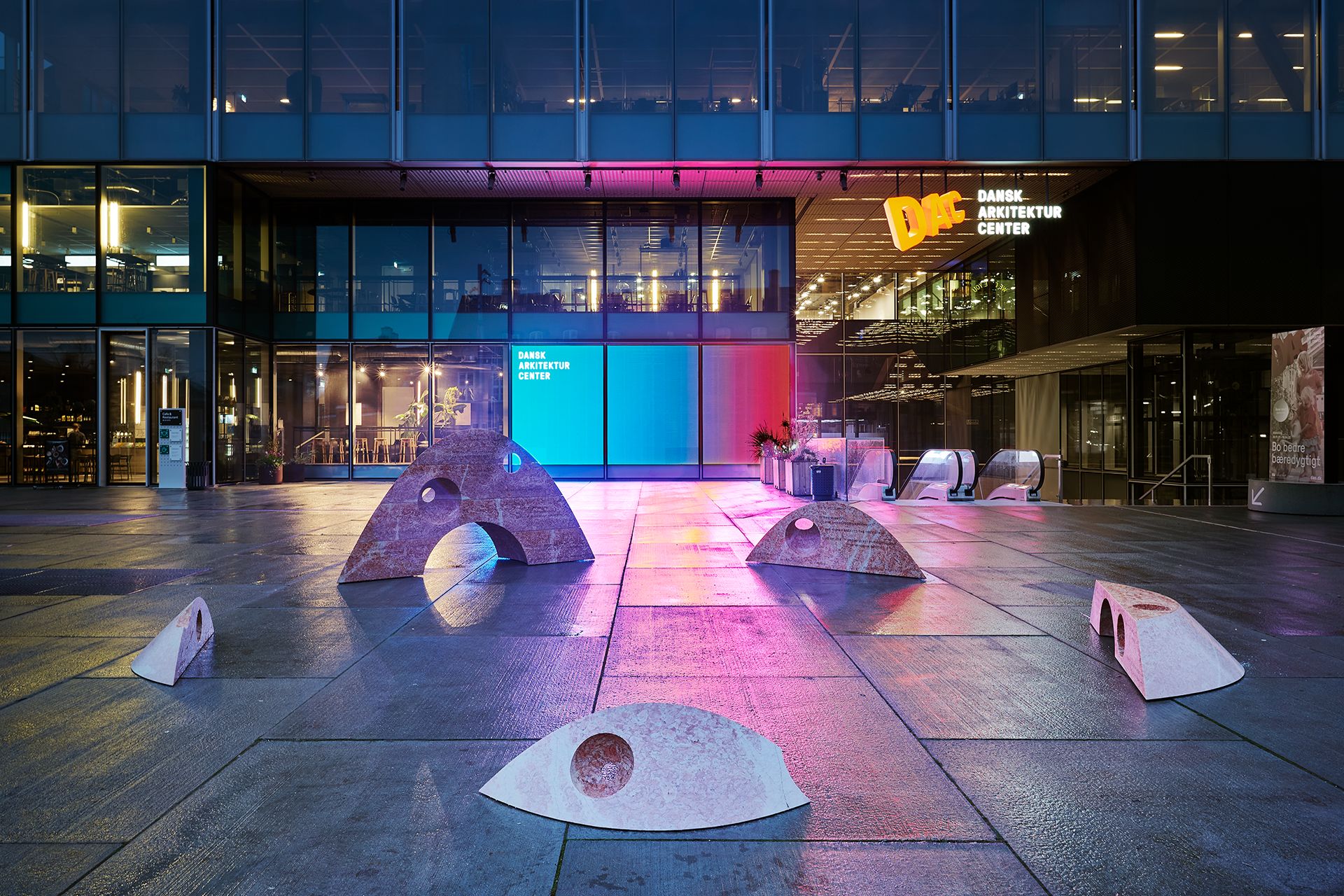
We connect the UN Global Goals

with art

Art for Humanity

Inspiring action on the social and human dimensions of the UN Global Goals

What If?

Inspiring action on the interconnected issues of climate, nature, health, and hope

Future Danish Landscapes

Reimagining what future danish landscapes could look like through art

Circular Museum by MoMA and ART 2030

A virtual panel discussion series

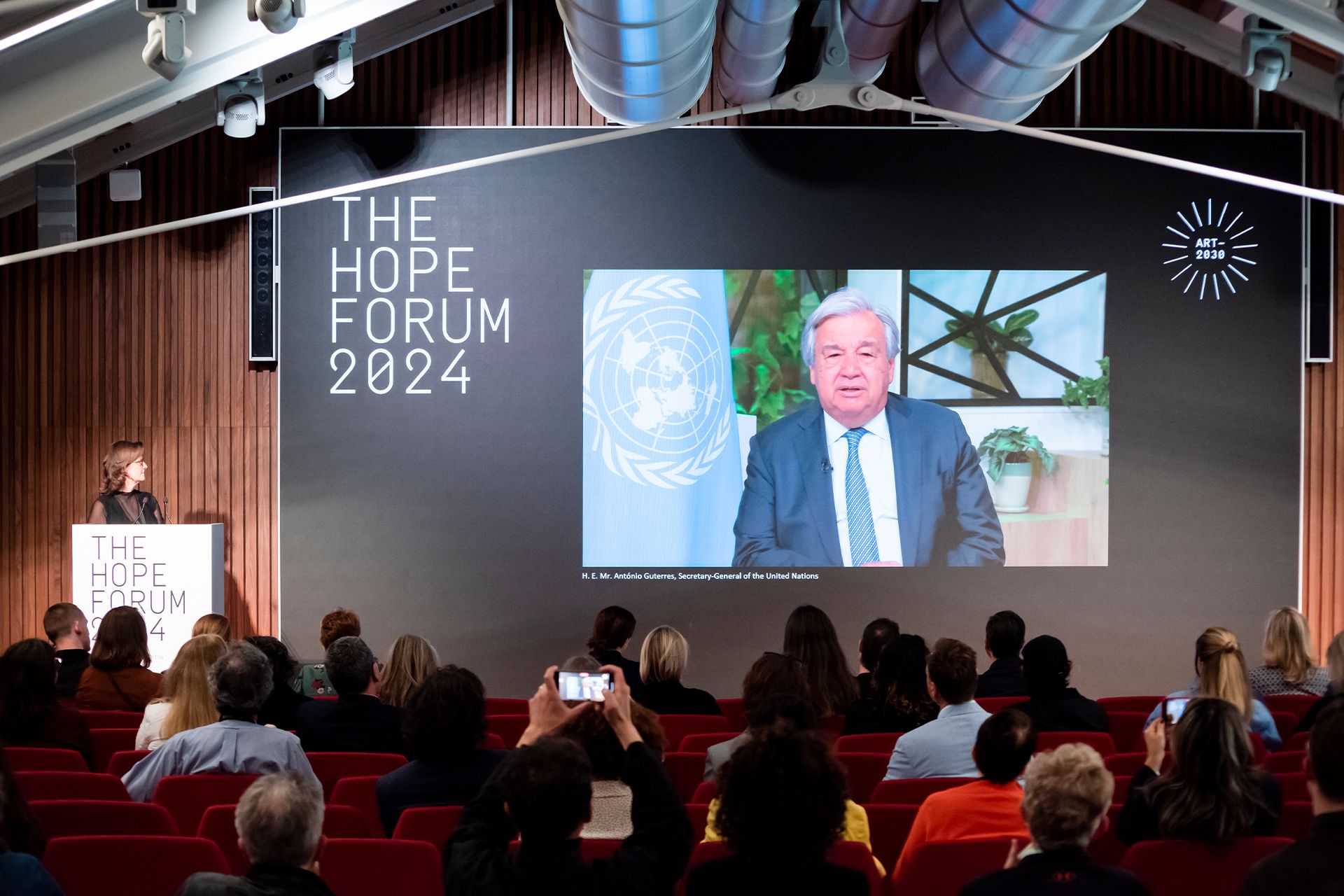
The Hope Forum 2024

Accelerating concrete, system-wide action for sustainability

Future Ours

An art project about the future of our planet

Art for a Healthy Planet 2025

Inspiring action on climate, environment, and biodiversity through the power of art

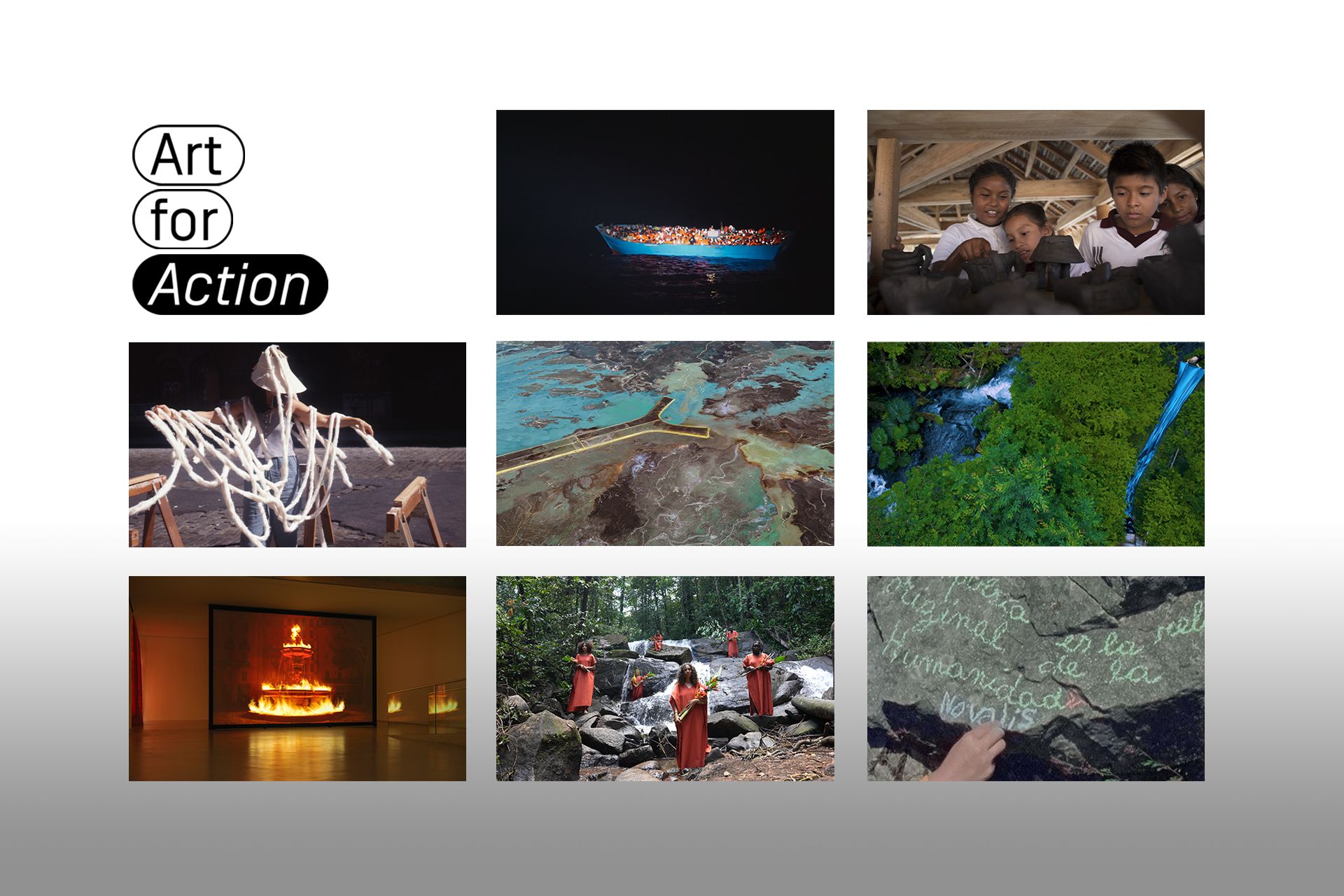
Art for Action

Inspiring action for the Sustainable Development Goals

Art Charter for Climate Action

Uniting the visual arts sector in climate action

Art for a Healthy Planet 2024

Sharing great art to inspire action for climate, our environment, and biodiversity

Super Reef

Restoring 55 km² of lost reefs in the Danish ocean

Art for a Healthy Planet 2023

Sharing great art to inspire action for climate, our environment, and biodiversity

Getting Climate Control Under Control

Committing to real climate action

The Hope Forum

ART 2030 for the UNITED NATIONS Agenda for Sustainable Development & UNESCO ResiliArt

Art for Hope

Art responds to the climate catastrophe

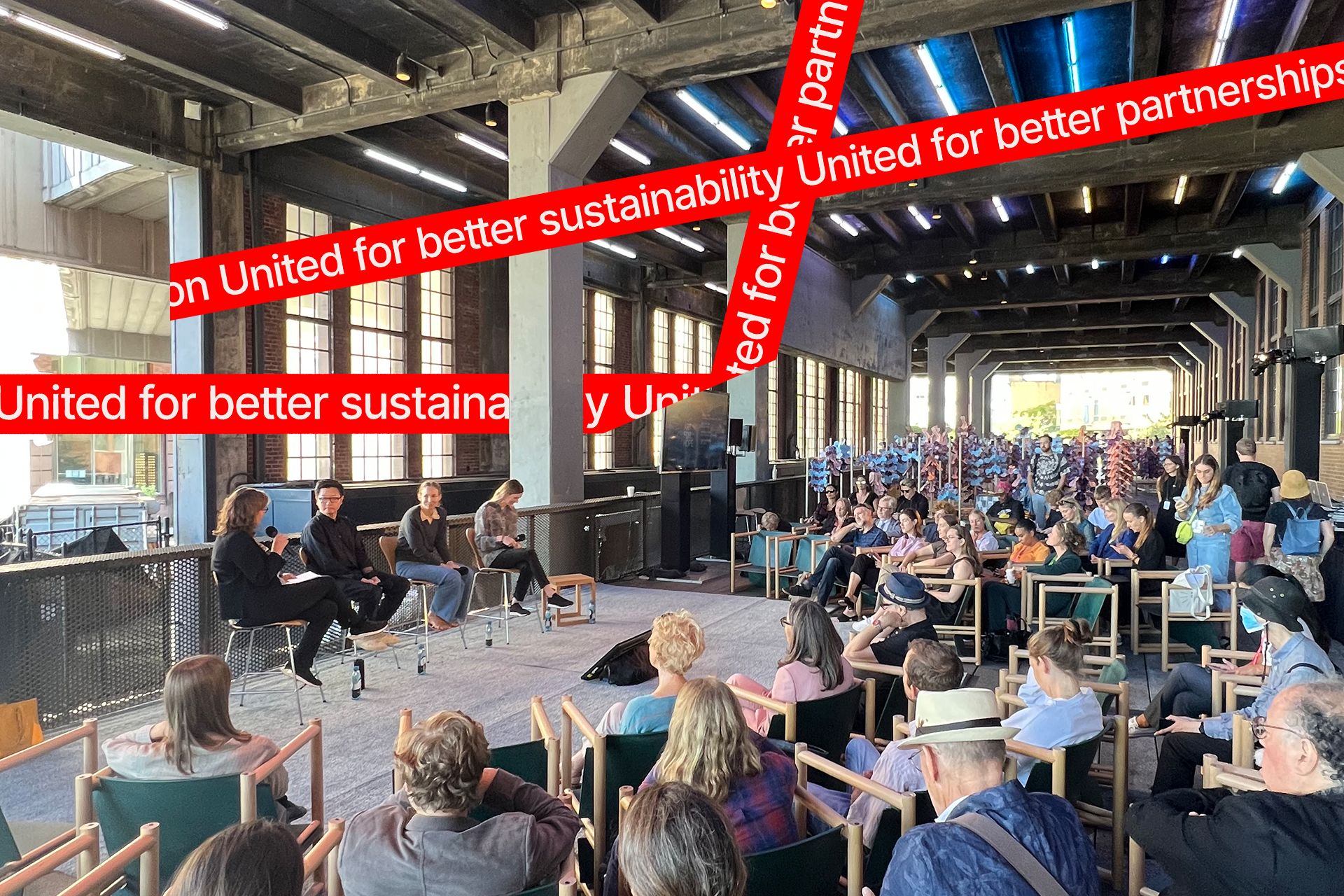
Partnerships as a Catalyst for Change

Hignline New York City

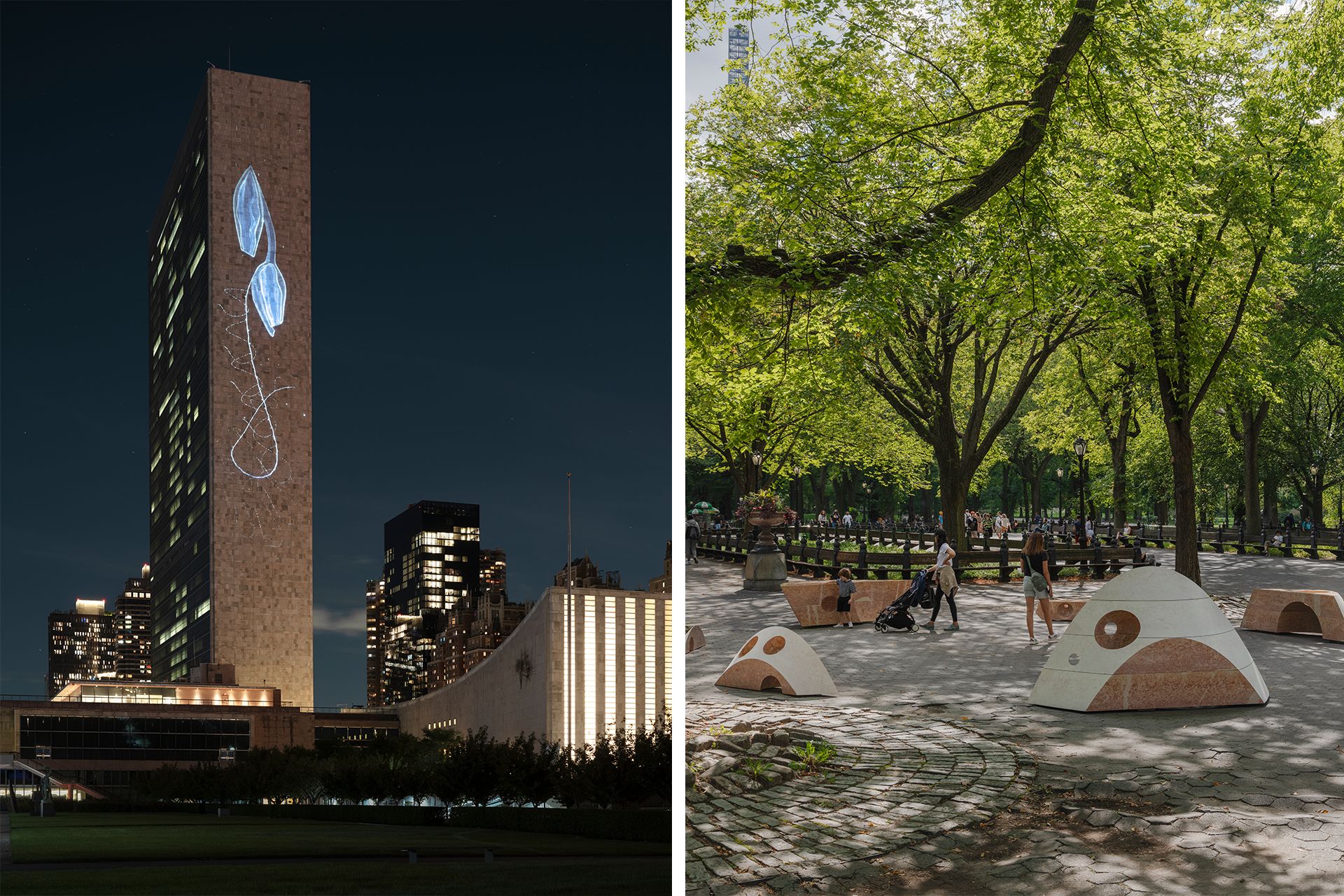
Art for a Healthy Planet 2022

Sharing great art to inspire action for climate, our environment, and biodiversity

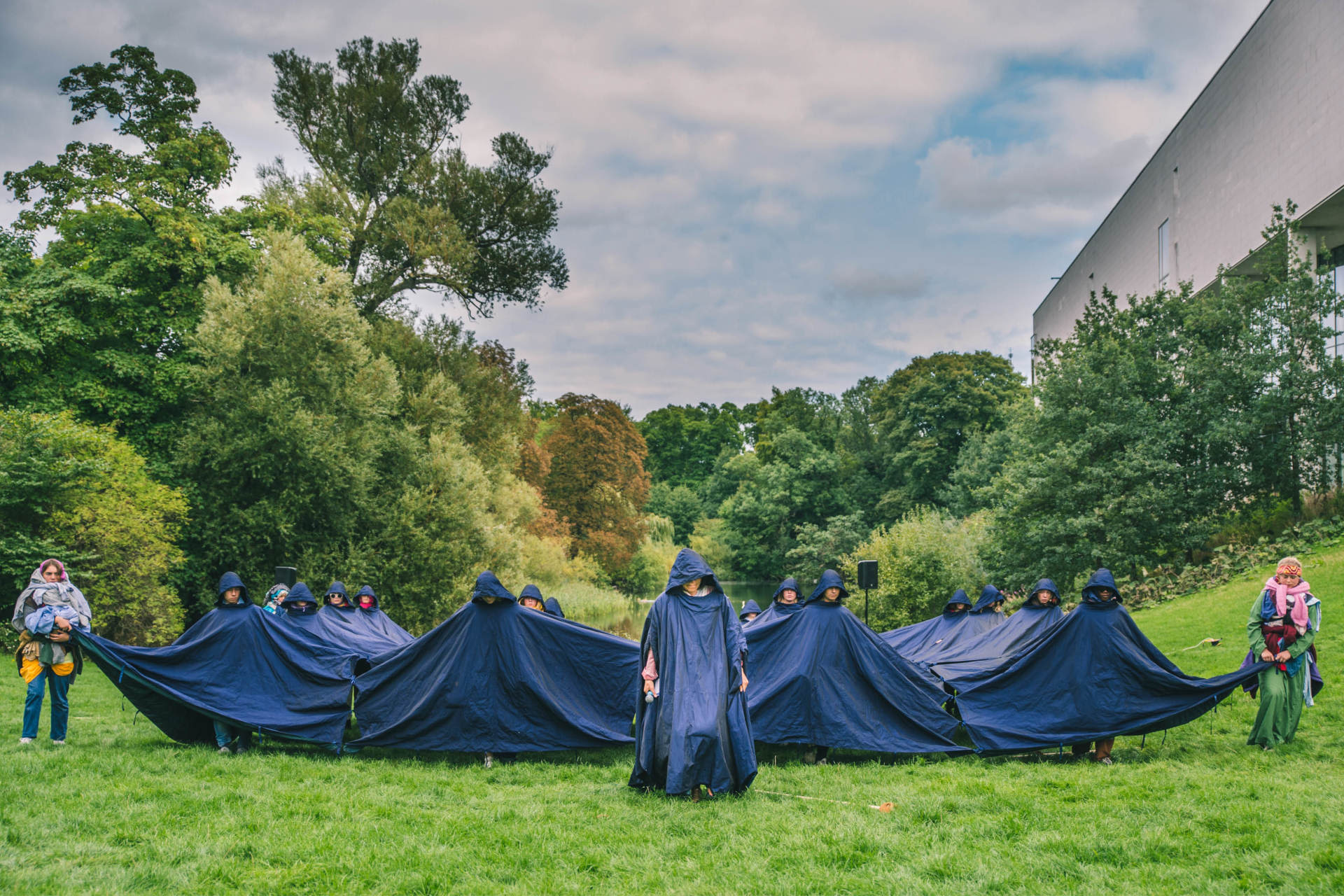
Interspecies Assembly

SUPERFLEX

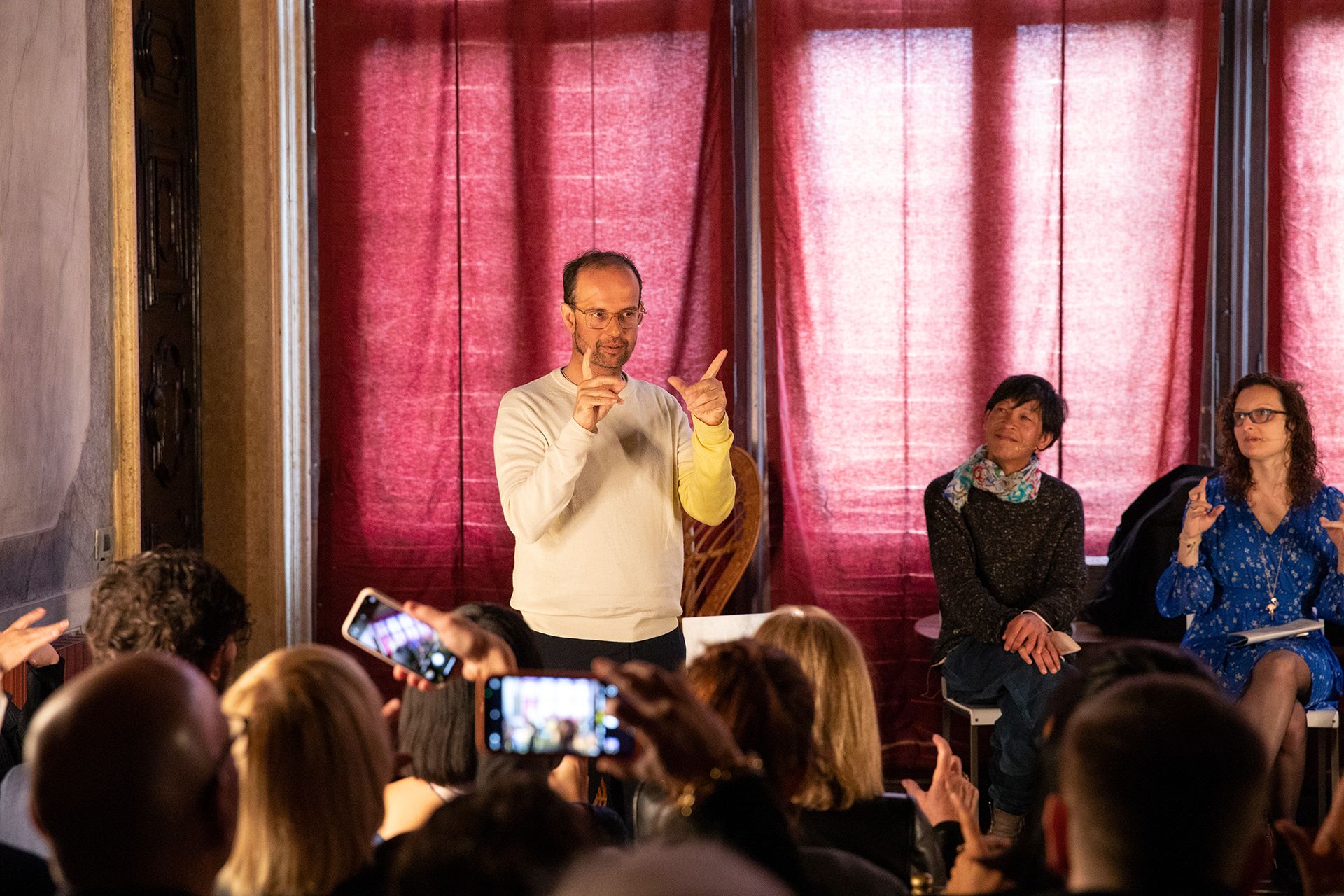
ART 2030 Presents

Conversations on Art and Sustainability

Danh Vo Presents: A Haven for Diverse Ecologies

Danh Vo

Art for a Healthy Planet 2021

Sharing great art to inspire action for climate, our environment, and biodiversity

UN high-level event on Culture & Sustainable Development

Art Sector Luminaries Address the United Nations

Art for a Healthy Planet 2020

Sharing great art to inspire action for climate, our environment, and biodiversity

GOALS

Christian Falsnaes

Breathe with Me

Jeppe Hein

Vertical Migration

Part of Interspecies Assembly by SUPERFLEX: About the Artwork

Interspecies Assembly

Part of Interspecies Assembly by SUPERFLEX: About the Artwork

ART 2030 New York

For Art and the Global Goals

Tow with The Flow

Lilibeth Cuenca Rasmussen

Planet Art

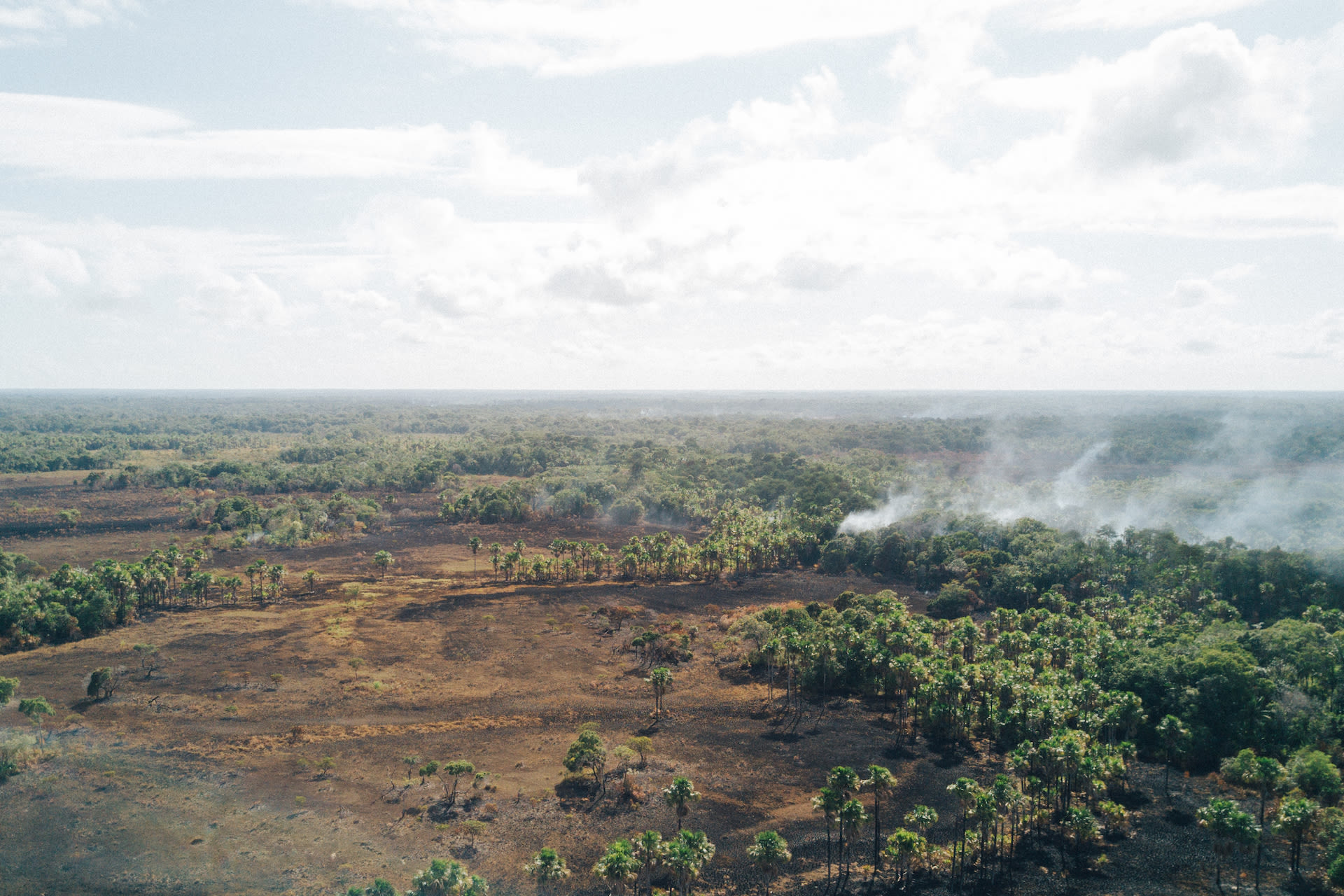
Amapá

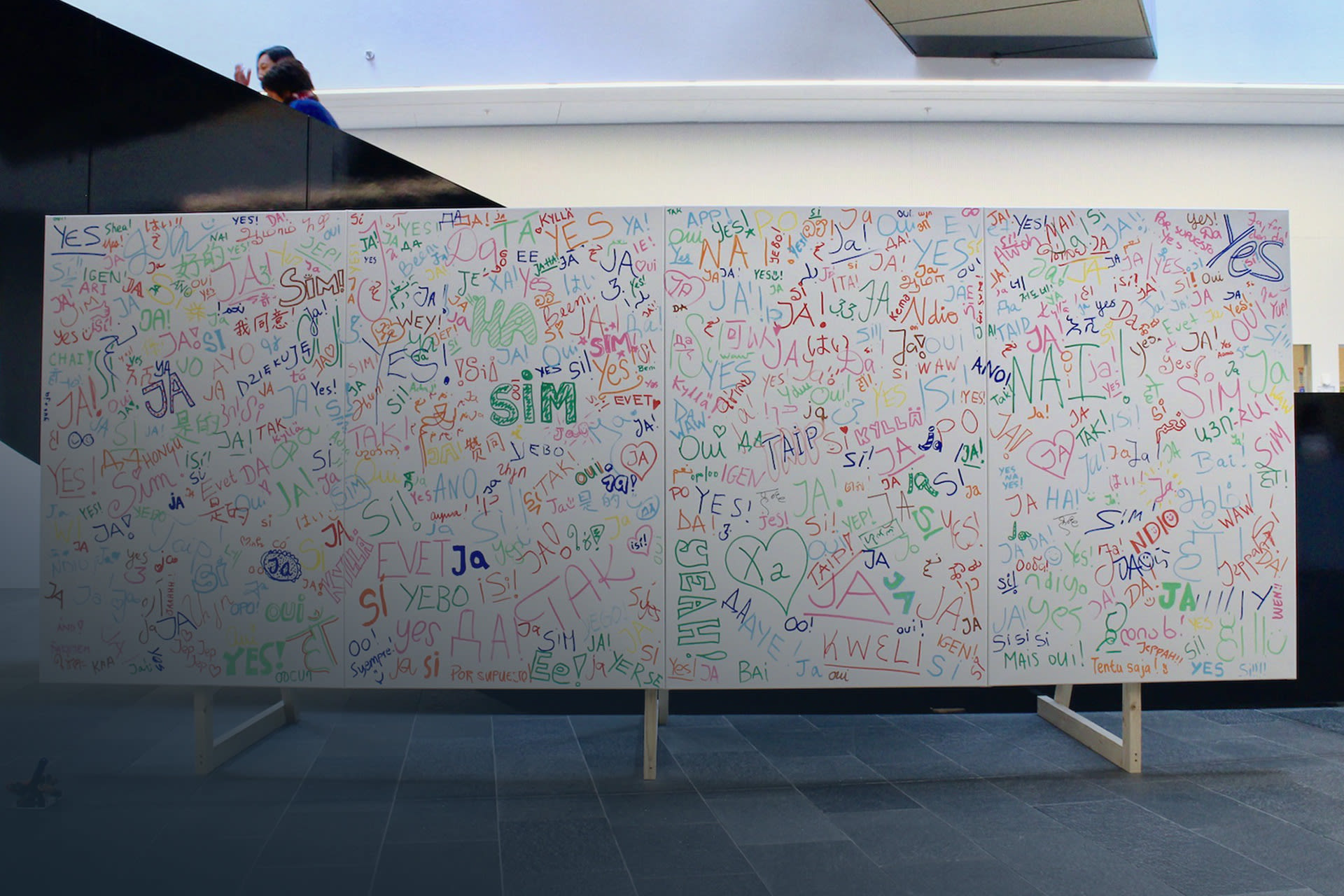
YES

Yoko Ono

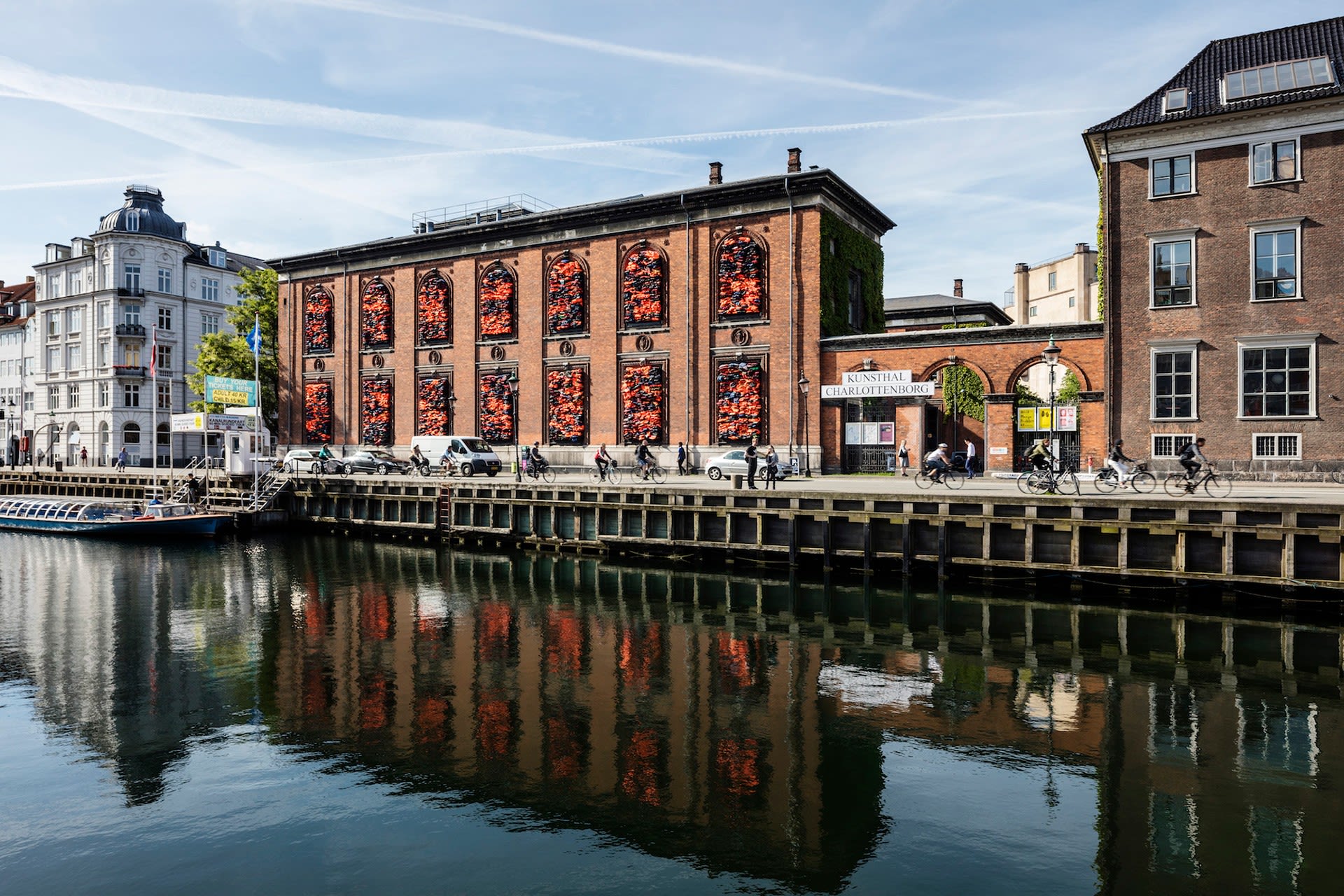
Soleil Levant

Ai Weiwei

See more

arrow_readmore
arrow_footer_up

Art for Humanity

2025 & 2026

ART 2030

Image above: Ibrahim Mahama, Out of Bounds, 2014–2015. Site-specific installation. Coal sacks, metal tags, and jute ropes on coal sacks. 56th Venice Biennale, Venice, Italy. Photo by © Haupt & Binder. Courtesy the Artist and APALAZZOGALLERY.

Art for Humanity is ART 2030’s digital campaign that harnesses the power of art to advance human rights, with a focus on the UN Global Goals for education, social justice, equality, environmental sustainability, and inclusive societies.


The campaign activates around key United Nations observances, including:


Human Rights Day December 10
International Day of Education January 24
World Day of Social Justice February 20
International Women’s Day March 8


Join us — share your call to action through art with #ArtforHumanity, and stay tuned for more!

01

Image 1: Ibrahim Mahama, Out of Bounds, 2014–2015. Site-specific installation. Coal sacks, metal tags, and jute ropes on coal sacks. 56th Venice Biennale, Venice, Italy. Photo by © Haupt & Binder. Courtesy the Artist and APALAZZOGALLERY. Image 2: Ibrahim Mahama, Malam Dodoo National Theatre 1992–2016, 2016, TOWARDS ACCRA CENTRAL, Accra, Ghana. Photo by © Ibrahim Mahama. Courtesy the Artist and APALAZZOGALLERY. Images 3-4: Ibrahim Mahama and students at Red Clay Studio, Tamale. Images courtesy of Ibrahim Mahama.

Ibrahim Mahama

Through monumental installations made from repurposed jute sacks and found materials, Ghanian artist Ibrahim Mahama explores themes of labor, resource extraction, and migration, drawing upon the material legacy of colonialism.


The jute sack – manufactured in Southeast Asia, imported into Ghana to transport commodities like cocoa, and then redistributed across global markets – bears the marks of countless hands and stories of trade and exploitation.


Through his community-driven spaces, including Savannah Centre for Contemporary Art (SCCA) and Red Clay Studio in Tamale, Mahama nurtures creativity in the region and new ways of seeing. His work reminds us that art can be a powerful force for social change, inspiring us to shape a fairer, more just world.

01

Robert Rauschenberg, Human Rights (Tribute 21), 1994. offset lithograph, 27 in. × 41 in. (68.58 cm × 104.14 cm). Collection SFMOMA, Gift of Felissimo. © Robert Rauschenberg Foundation; published by Felissimo.

Robert Rauschenberg

Robert Rauschenberg’s long-standing commitment to using art as a catalyst for change continues to inspire today.


In October 1994, several luminaries from art, politics, fashion, and commerce gathered in Robert Rauschenberg’s Lower Manhattan studio to witness the unveiling of Tribute 21, a series of twenty-two poster-size prints the artist had produced for a newly formed humanitarian aid project, also called Tribute 21.


Conceived by Japanese corporation Felissimo and bolstered by Rauschenberg’s artistic vision, this initiative sought to harness art’s power to promote social, economic, and cultural development and improve social conditions at the dawn of a new century.


Most of the Tribute 21 prints highlight an individual whose contributions to their respective field signaled a commitment to building a more peaceful, just, and flourishing society.


In ’Human Rights,’ Rauschenberg uses the haunting image of a chainlink fence to likely symbolize Nelson Mandela’s imprisonment during apartheid—powerfully evoking the struggle for freedom, justice, and equality.

01

Image 1: Jenny Holzer, THE PEOPLE, 2023. Light projection, Smithsonian’s National Museum of American History, Washington, DC. Text: Harvey Milk, © 1976 by the author. Used with permission of the Harvey Milk Foundation. © 2023 Jenny Holzer, member Artists Rights Society (ARS), NY. Photo: Filip Wolak. Image 2: Jenny Holzer, VOTE YOUR FUTURE, November 2–4, 2018. With March For Our Lives. Photo: Ed Mumford. Courtesy of the artist.

Jenny Holzer

Since the 1970s, Jenny Holzer’s text-based works have been a powerful reminder of how art can connect us through empathy and our shared human experience.


Holzer’s art sparks conversations on the pressing issues of our time – from political conflict and war to social justice and gender equality. Her bold perspective continues to inspire the fight for human rights, and her ’Truisms’ resonate more deeply today than ever.


Through her work, Holzer challenges us to engage, reflect, and take action. She turns public spaces into places for open dialogue, where we can question, learn, and push for change.


As Holzer said, “I want people to think of the common good. Wouldn’t it be lovely if kindness would make a reappearance?”

Hvidoerevej 14A
2930 Klampenborg
Denmark

CVR No. 38 35 42 72

info@art2030.org

+45 6169 4402

Connect with ART-2030

All rights reserved by ART 2030.
ART 2030 cannot be held responsible for misprints or alterations regarding the content of this website.
